
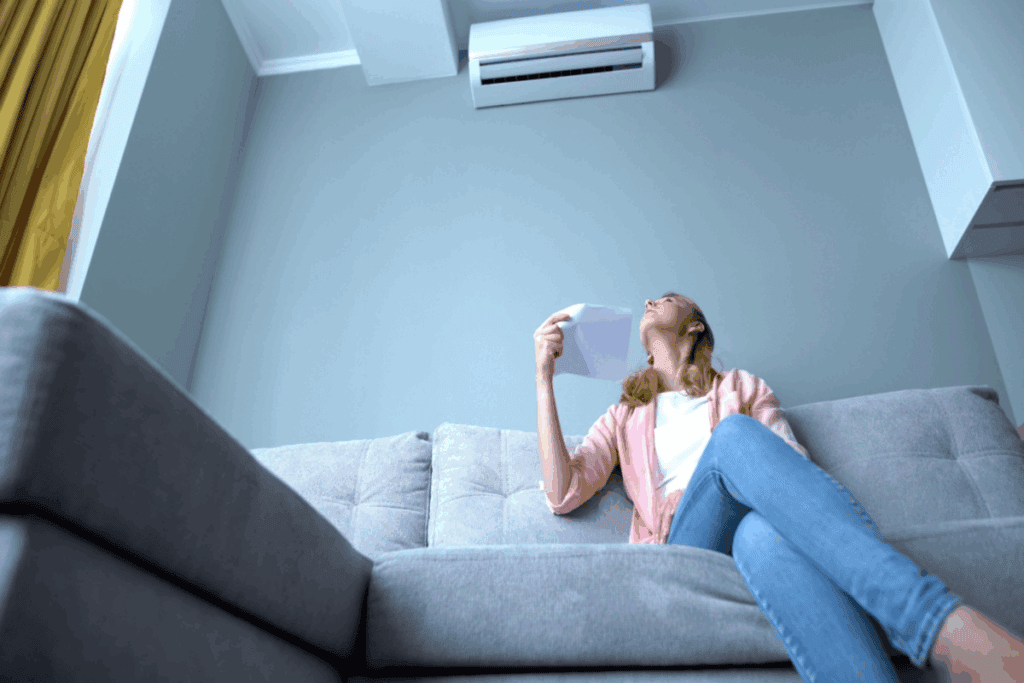
You feel that first wave of cool air and let out a sigh of relief. Then, just minutes later, silence. The fan stops, the comforting hum disappears, and the room starts to feel stuffy again. If your air conditioner is playing this frustrating game of on-again, off-again, you are likely dealing with short cycling. This common issue, where your AC keeps turning off prematurely, is a clear signal that something in your system needs attention.
Our Guardian Services LLC team sees it all the time, and we’re here to share our expert insights so you can take the appropriate action if you’re dealing with short cycling, your AC not blowing cold air, or any other cooling troubles. We’re also the ones to lean on for top-of-the-line air conditioning services, including AC repair, AC installation, heat pump repair, and more.
How Your AC System Operates
Think of your air conditioner as a heat mover. Its one job is to pull warmth and humidity out of your indoor air and transfer it outside. This magical process starts when your thermostat detects that the indoor temperature has risen above your set point. It signals the HVAC system to begin a cooling cycle.
Liquid refrigerant flows to the indoor evaporator coil, where it absorbs heat from your air, turning into a gas. This now-cool air is blown through your ductwork. The gaseous refrigerant then travels to the outdoor compressor and condenser, where it releases the captured heat before starting the journey all over again. When this cycle works correctly, you get consistent cooling.
Why Your Air Conditioner Could Be Turning Off
When your air conditioner cycles on and off in rapid succession, it means that the refined cooling cycle is being interrupted. The system shuts down before it has a chance to properly cool your home. This wastes energy, puts extra strain on components, and leaves you feeling uncomfortable. Let’s explore some of the frequent reasons behind this disruptive behavior.
Thermostat Troubles
Your thermostat is the brain of your HVAC system. If it’s giving faulty commands, the whole operation falters. A miscalibrated thermostat might display that your home has reached the desired temperature when it hasn’t, causing a premature shutdown. Old batteries, loose wiring, or even placing a heat source like a lamp too close can fool the device. Upgrading to a smart thermostat can often provide a more accurate reading and better control.
Wiring Issues
The electrical connections within your air conditioning system are vital for its operation. Over time, wiring can degrade, or connections can loosen. A failing capacitor, which helps the motors start, can also cause the system to struggle and shut down. These electrical glitches can cause the AC unit to cycle on and off as power is intermittently cut off. For your safety, electrical problems are always best left to a certified professional.
Airflow Problems
Your air conditioner needs to breathe. If the airflow is choked off, the system can’t work correctly. The most common culprit is a dirty air filter, which gets clogged with dust and debris, forcing the system to work much harder to pull in air. This strain can cause internal components to freeze up or overheat, triggering a shutdown. Similarly, blocked vents or constricted duct passages can create the same airflow bottleneck.
System Overheating or Sensor Malfunctions
Your air conditioner features built-in safety sensors to protect its most critical components, such as the compressor. If the outdoor unit is caked in dirt and grime, it can’t release heat effectively. This causes the system to overheat, and a sensor will shut it down to prevent permanent damage. A faulty sensor could also be the source of the problem, mistakenly telling the system there is a problem when there isn’t one.
Refrigerant or Pressure Imbalances
Your system contains a precise charge of refrigerant to function. If there is a leak, the pressure inside the system will drop. Low refrigerant levels mean the air conditioner can no longer absorb heat efficiently. This can cause the evaporator coils to become too cold and freeze, blocking airflow and forcing a shutdown.
Lack of Maintenance
Many cases of an AC cycling on and off can be traced back to a simple lack of preventative care. Small issues like dirt buildup, minor loose connections, or low fluid levels accumulate over time. This gradual wear and tear puts stress on the entire system, eventually leading to malfunctions that interrupt performance and shorten the life of your air conditioner.
Signs You Should Call an HVAC Professional
While changing an air filter is a simple task, many causes of short cycling point to deeper issues within your system. Here are some definitive signs that it’s time to call for an expert opinion.
- Loud or Odd Noises: Grinding, squealing, or clanking sounds indicate mechanical problems. These noises often point to issues with the motor or compressor that require immediate attention to prevent a total system failure.
- Foul Odors: A burning smell typically indicates an electrical problem, while a musty odor may suggest that mold or mildew is growing inside your unit or ductwork. Both can affect your indoor air quality and signal a need for a professional inspection.
- Visible Fluid Leaks: Puddles of water near your indoor unit could mean a clogged drain line. An oily substance on the refrigerant lines is a definite sign of a refrigerant leak that harms your system’s health.
- The AC Runs Constantly: If your air conditioner seems to run all the time but fails to cool your home, you may have a serious issue. This could be a failing compressor or a significant refrigerant leak, both of which are serious problems.
- High Indoor Humidity: A properly functioning air conditioner is excellent at removing humidity from the air. If your home feels sticky or damp, it’s likely that your system is not completing its cooling cycles and is failing to manage the moisture effectively.
- The System Blows Warm Air: If the air coming from your vents is not cool, the cooling cycle has failed. This points to a significant issue with the compressor, refrigerant levels, or another core component of your air conditioning unit.
How to Prevent Future AC Complications
A little proactive care goes a long way in keeping your air conditioner running well. You can start by checking and replacing your air filter every 1-3 months. It also helps to keep your outdoor unit clear of leaves, grass clippings, and any other debris that could block airflow.
The single best action you can take is to schedule an annual HVAC service appointment. A professional tune-up allows a technician to clean the system, check refrigerant levels, test electrical components, and catch potential problems before they leave you in the heat.
Contact Guardian Services LLC for Superior Cooling Solutions!
You should not have to spend your days worrying about an unpredictable air conditioner. A cool, comfortable home is a necessity, and our team at Guardian Services LLC is here to make that a reality for you. If your AC keeps turning off, give us a call today. We are excited to provide the air conditioning repair and support you need to enjoy a perfectly cool home all season long.